The Met Cloisters
A museum built like a monastery, with genuine cloisters from five French abbeys set into its walls
The story
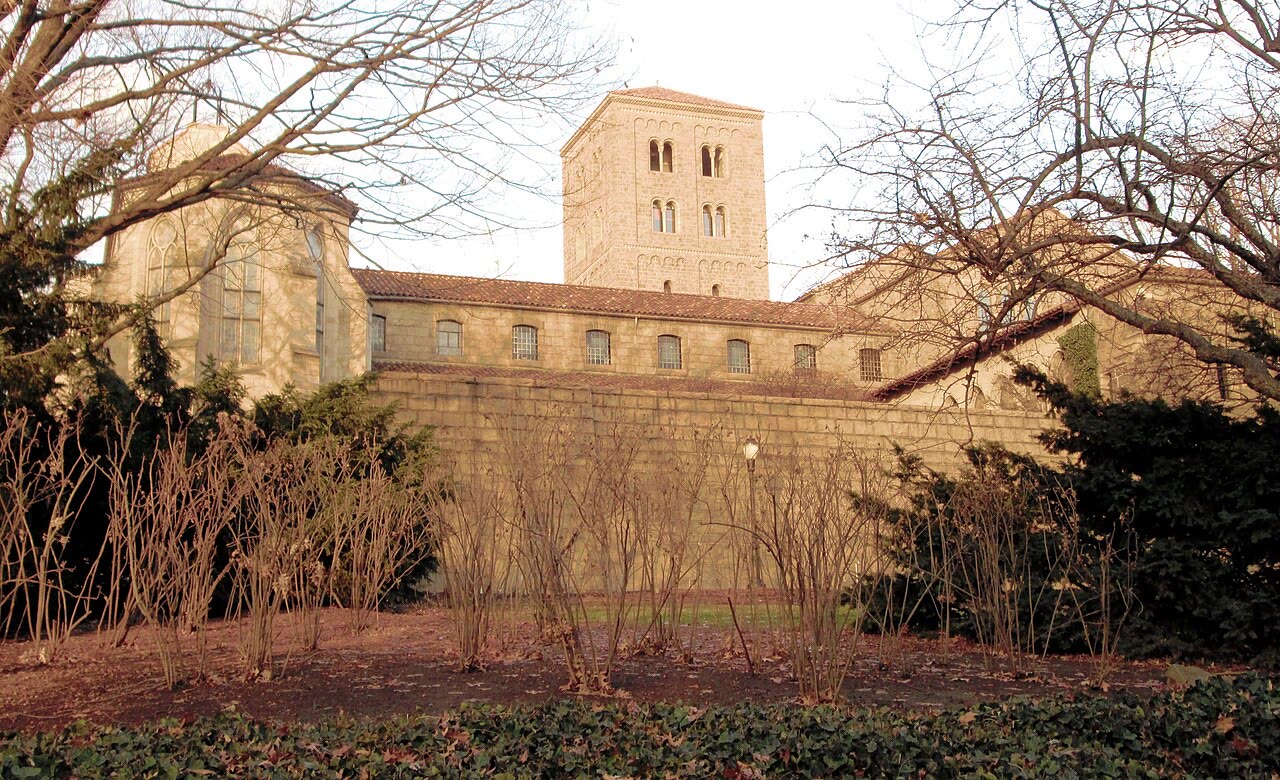
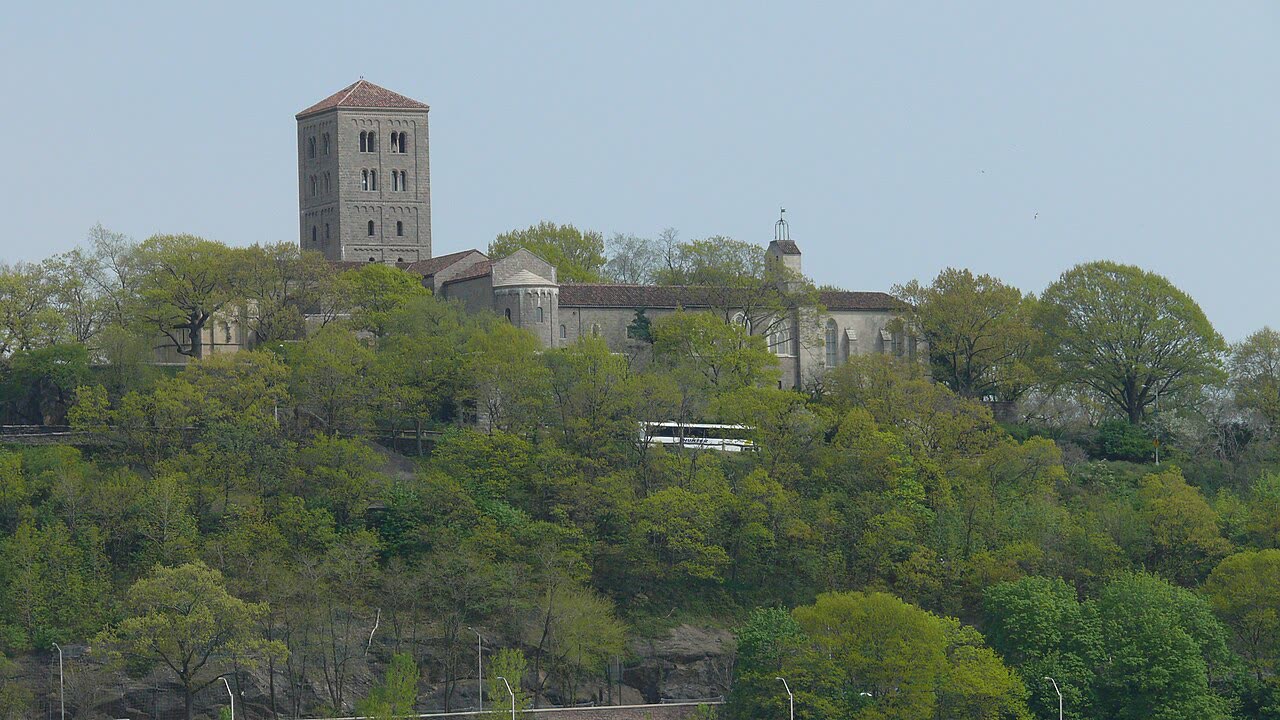
Before you is the Cloisters, a museum of medieval art and part of the Metropolitan Museum of Art. It is not a real monastery. But genuine pieces of covered walkways from five French monasteries are built into its walls. That is where the name comes from: a cloister is the covered gallery around a monastery courtyard. It all started with an American sculptor, George Grey Barnard. He lived in France and bought carved stones from ruined abbeys from local farmers. In 1914 he opened his collection to the public not far from here. In 1925 John D. Rockefeller Jr. gave the Metropolitan Museum the money to buy this collection. Rockefeller also bought up the land on this hill, created Fort Tryon Park and gave it to the city, keeping a site for the museum. The building was designed by Charles Collens, the same architect who built the Riverside Church. The square tower echoes the tower of the abbey of Saint-Michel-de-Cuxa in the Pyrenees. Outside, the walls are granite, and inside are medieval arches, columns, doorways and chapels. The museum opened on the tenth of May 1938. Today it holds about five thousand works of art, and the most famous are the Unicorn Tapestries. Rockefeller also gave land on the other side of the Hudson, where Palisades park is now. And during the Revolutionary War, American fortifications stood on this hill, and a battle was fought here.
Visiting
99 Margaret Corbin Drive, Fort Tryon Park. Subway: the A train to 190th Street, then about ten minutes on foot through the park; the M4 bus runs right to the museum when it is open. The park is open to everyone. Museum hours and admission are on the Met’s website, metmuseum.org.
Photos

Sources
- NYC Landmarks Preservation Commission — The Cloisters
- Wikipedia (EN) — The Cloisters
- Wikipedia (EN) — Fort Tryon Park
This text was written by AI from open sources. Found a mistake? Write to us. Support