Must-see
Faneuil Hall
The “Cradle of Liberty,” where colonists first protested British taxes
The story
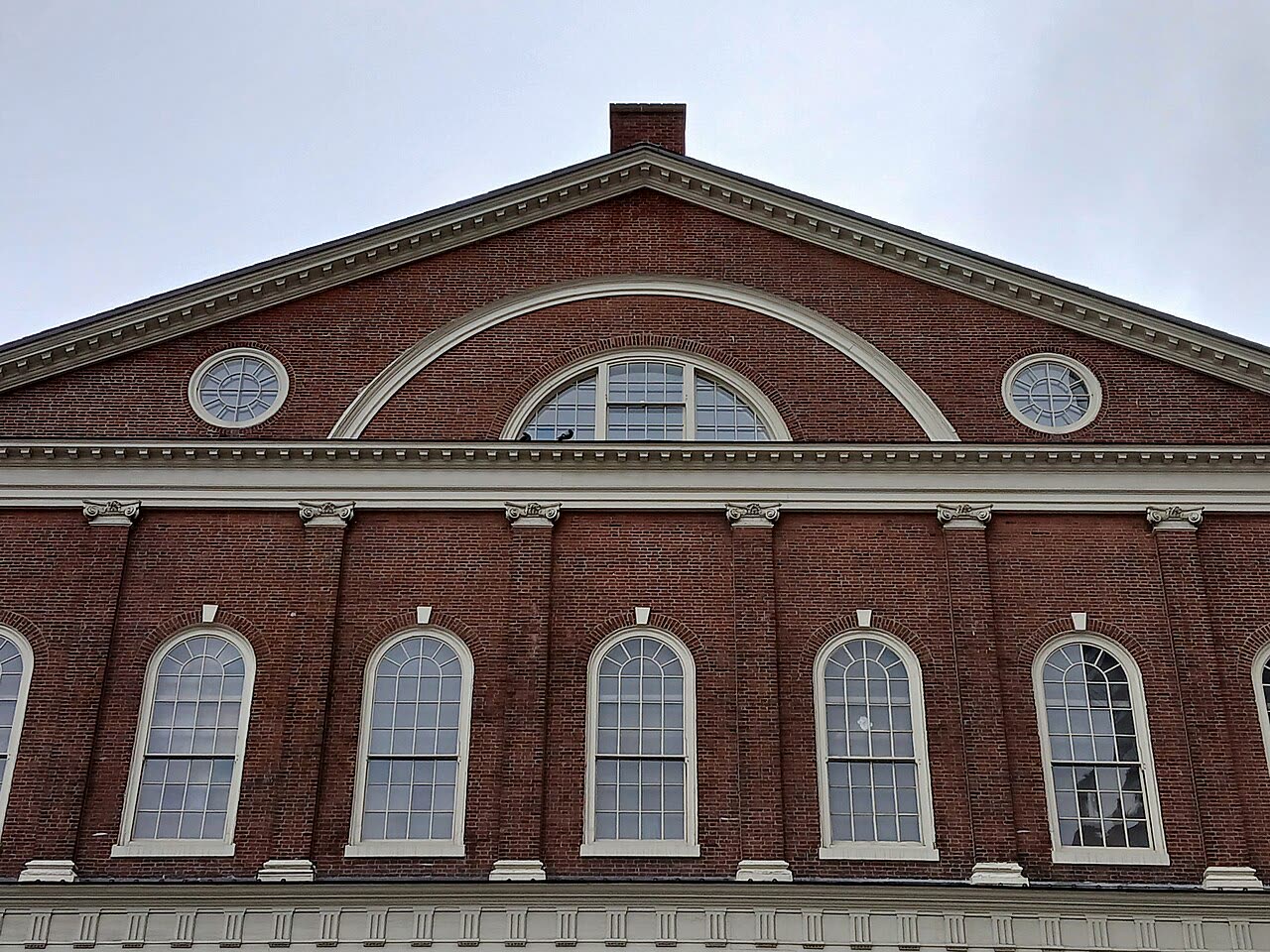
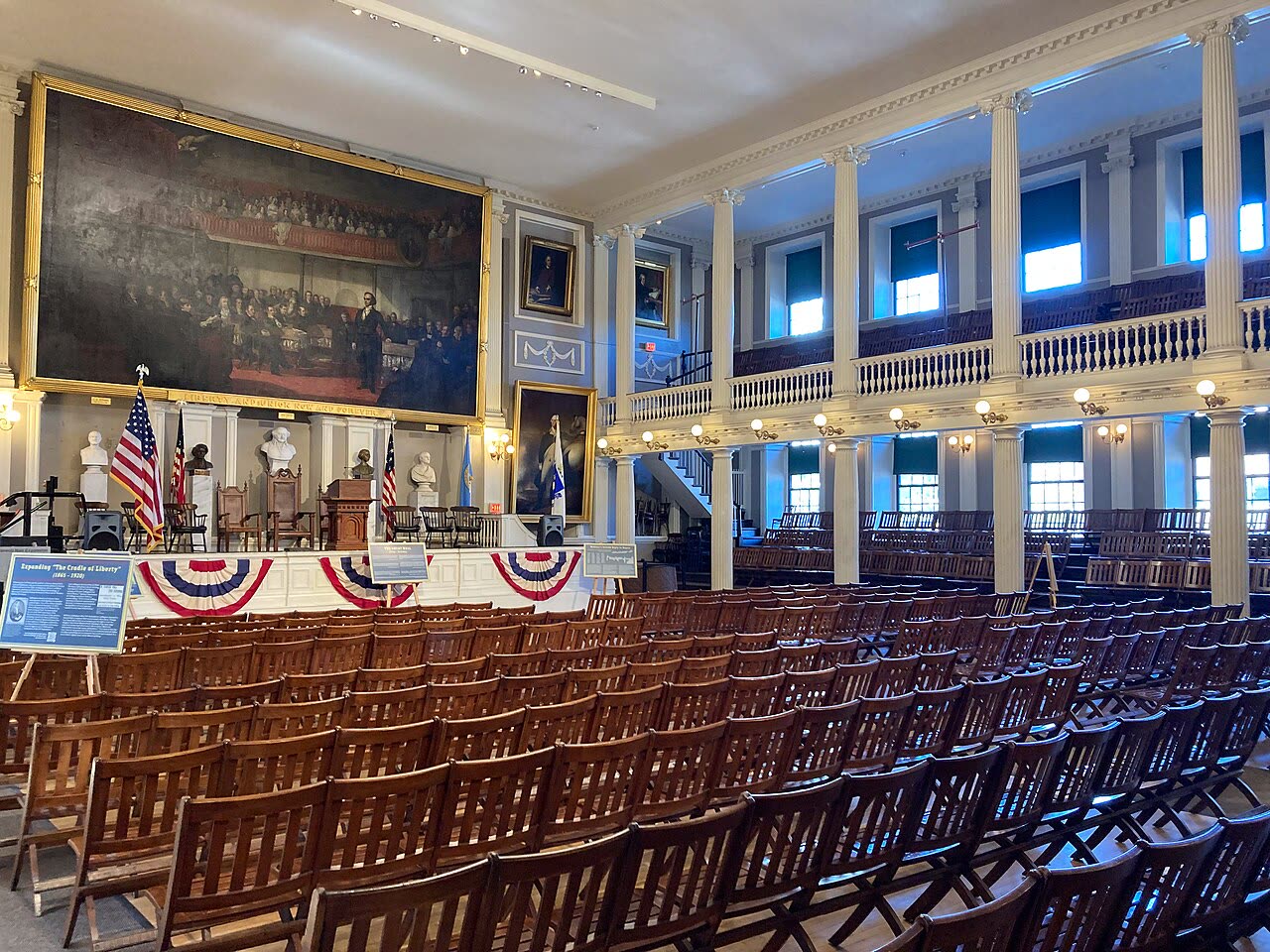
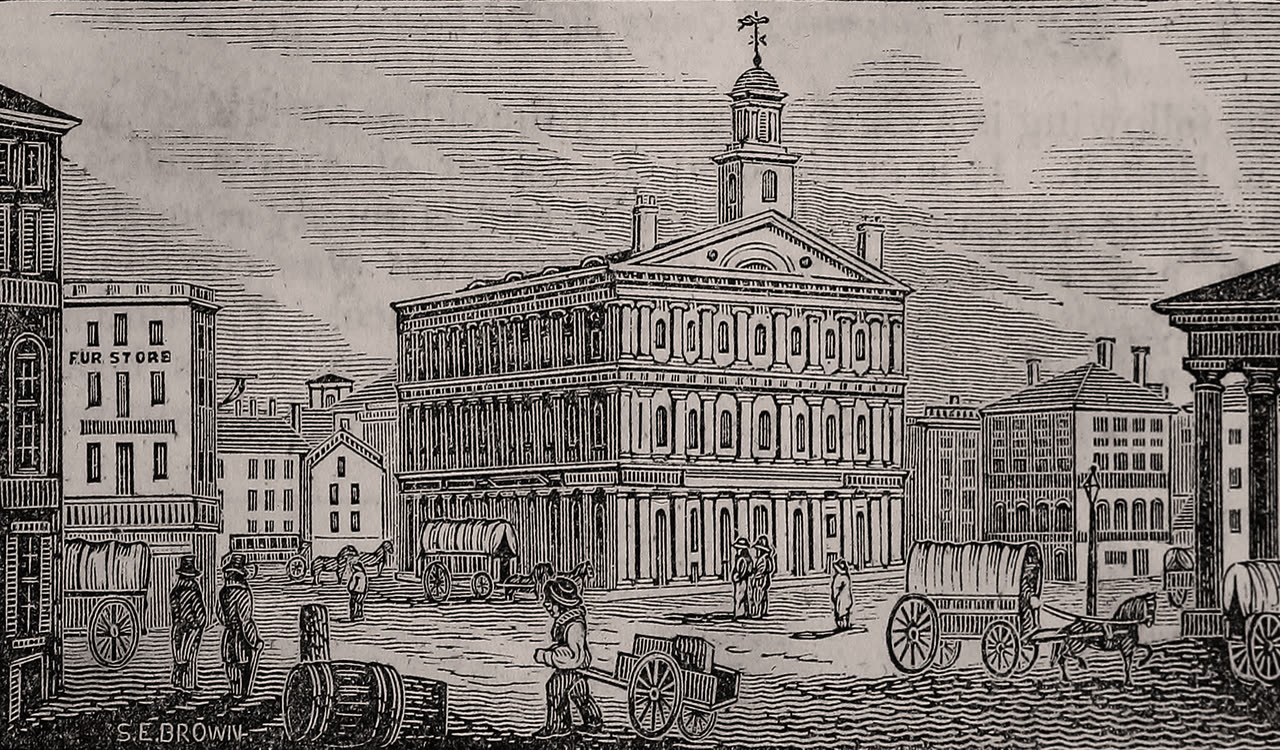
Before you is Faneuil Hall. It opened in 1742 as a market and a meeting hall. The building was a gift to the town from the wealthy merchant Peter Faneuil, hence the name. The National Park Service points out that his fortune was built partly on the slave trade. Trade went on downstairs, and town meetings were held upstairs in the Great Hall. In 1761 the building burned down and was rebuilt. In 1764 people protested here for the first time against the British Sugar Act and Stamp Act. This is where the principle of “no taxation without representation” took shape. Later, protests against new duties, British soldiers in the town and the tax on tea were held here too. That is why Faneuil Hall was nicknamed the “Cradle of Liberty.” In 1806 Charles Bulfinch, the architect of the new State House, rebuilt and enlarged it. In the nineteenth century abolitionists, suffragists and labor unions gathered here. Look at the cupola: on top is a golden grasshopper weathervane by the craftsman Shem Drowne. Legend says that during the War of 1812 it was used to catch spies. Anyone who did not know what sat on top of Faneuil Hall came under suspicion. The Great Hall on the second floor is still in use. People meet and debate here, and new US citizens regularly take their oath here, three hundred to five hundred at a time.
Visiting
1 Faneuil Hall Square. Free entry to all floors. The National Park Service visitor center is on the first floor, and the Great Hall is on the second. Wednesday to Sunday, rangers give talks about the building every hour from 10:30 to 15:30; each lasts about 15 minutes. The hall sometimes closes for city events.
Photos
Sources
- National Park Service — Faneuil Hall
- The Freedom Trail Foundation — Faneuil Hall
- Wikipedia (EN) — Faneuil Hall
This text was written by AI from open sources. An expert will still check it. Found a mistake? Write to us. Support