Cecilia Payne at the Observatory
She found what the stars are made of, and the first person to say no was the expert.
Listen to this place’s story in Peplos.
How the story begins
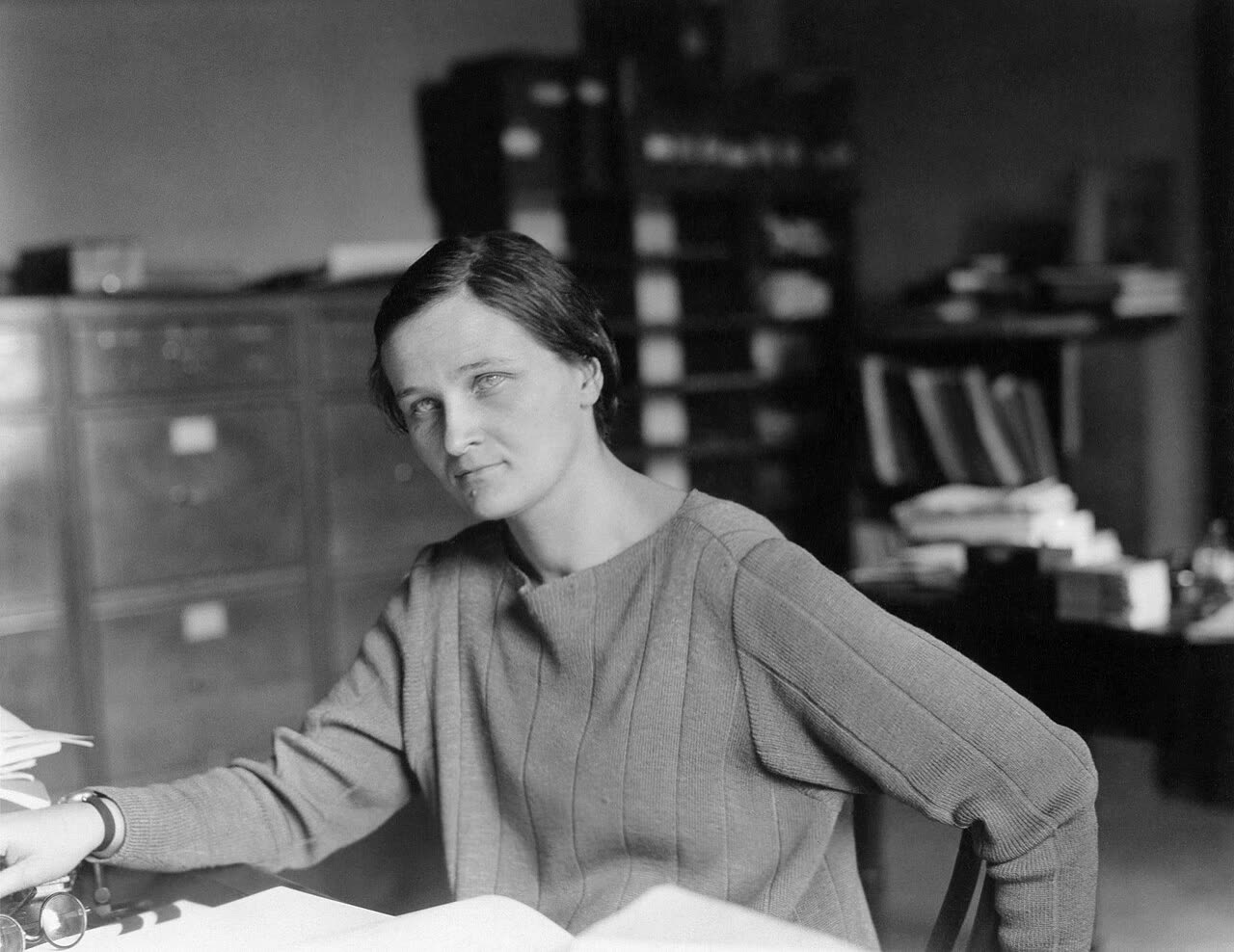
A thesis finished at this observatory in 1925 gives the right answer to what the stars are made of, and then says that answer is "almost certainly not real." Its author was Cecilia Payne, a young Englishwoman brought here on a fellowship by the director, Harlow Shapley. She had found that hydrogen in the stars was vastly more abundant than anything else. Her outside examiner was Henry Norris Russell, director of the Princeton Observatory.
The rest is in the app. Peplos plays the full story when you reach the place. You can also listen ahead of time.
Visiting
60 Garden Street, Cambridge. A working research site: see it from the sidewalk. The observatory holds Public Observatory Nights in selected months. Check hco.cfa.harvard.edu for dates and tickets.
Sources
- Sidney Perkowitz, Physics World, Cecilia Payne-Gaposchkin: the woman who found hydrogen in the stars (2022)
- Physics Today, Breaking the glass ceiling of 20th-century astronomy
- Jay M. Pasachoff, The Key Reporter, What Stars Are Made Of (2020)
- Mental Floss, Meet the Woman Who Discovered the Composition of Stars (2015)
- Harvard College Observatory
This text was written by AI from open sources. Found a mistake? Write to us. Support