Strivers’ Row
Elegant Harlem houses, home to Black doctors, lawyers and musicians who had made it
The story
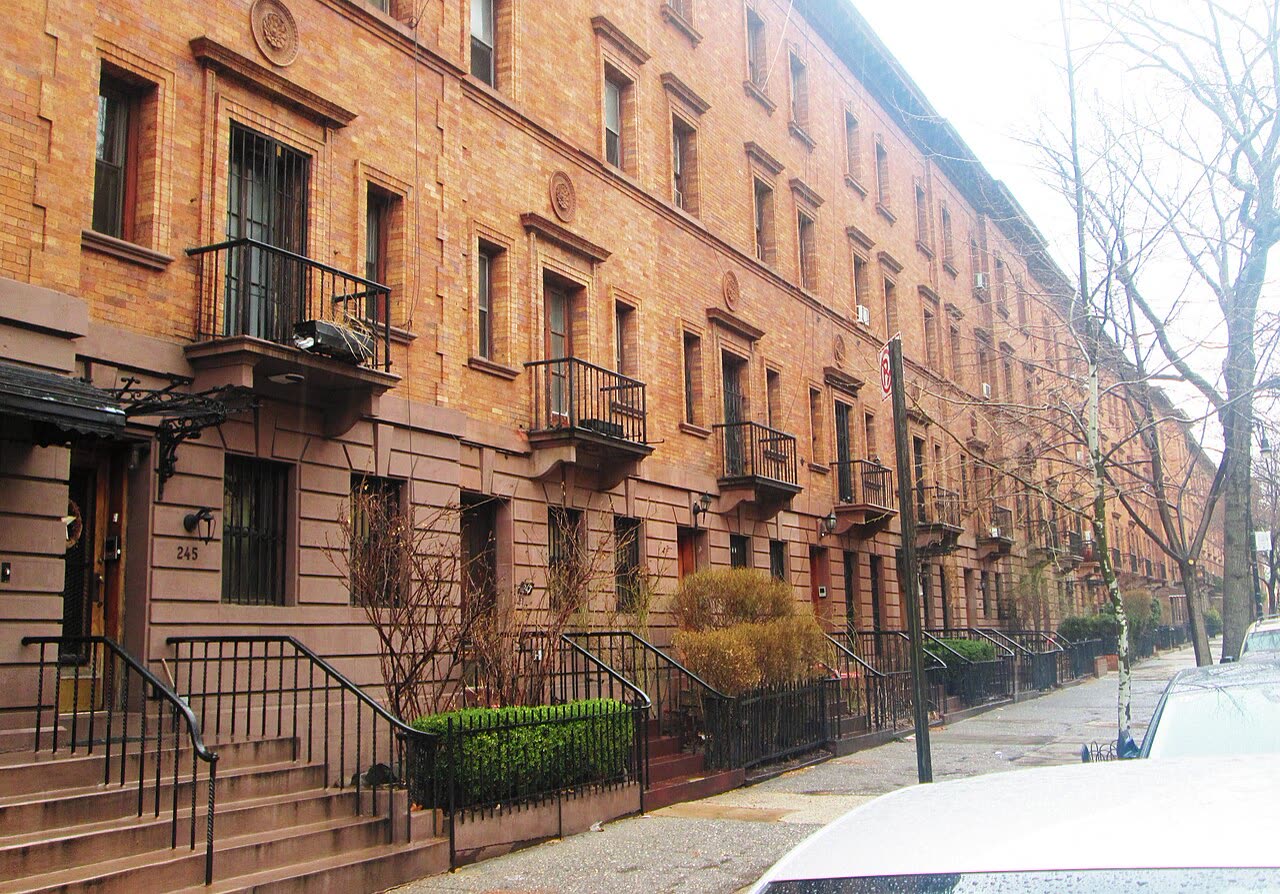
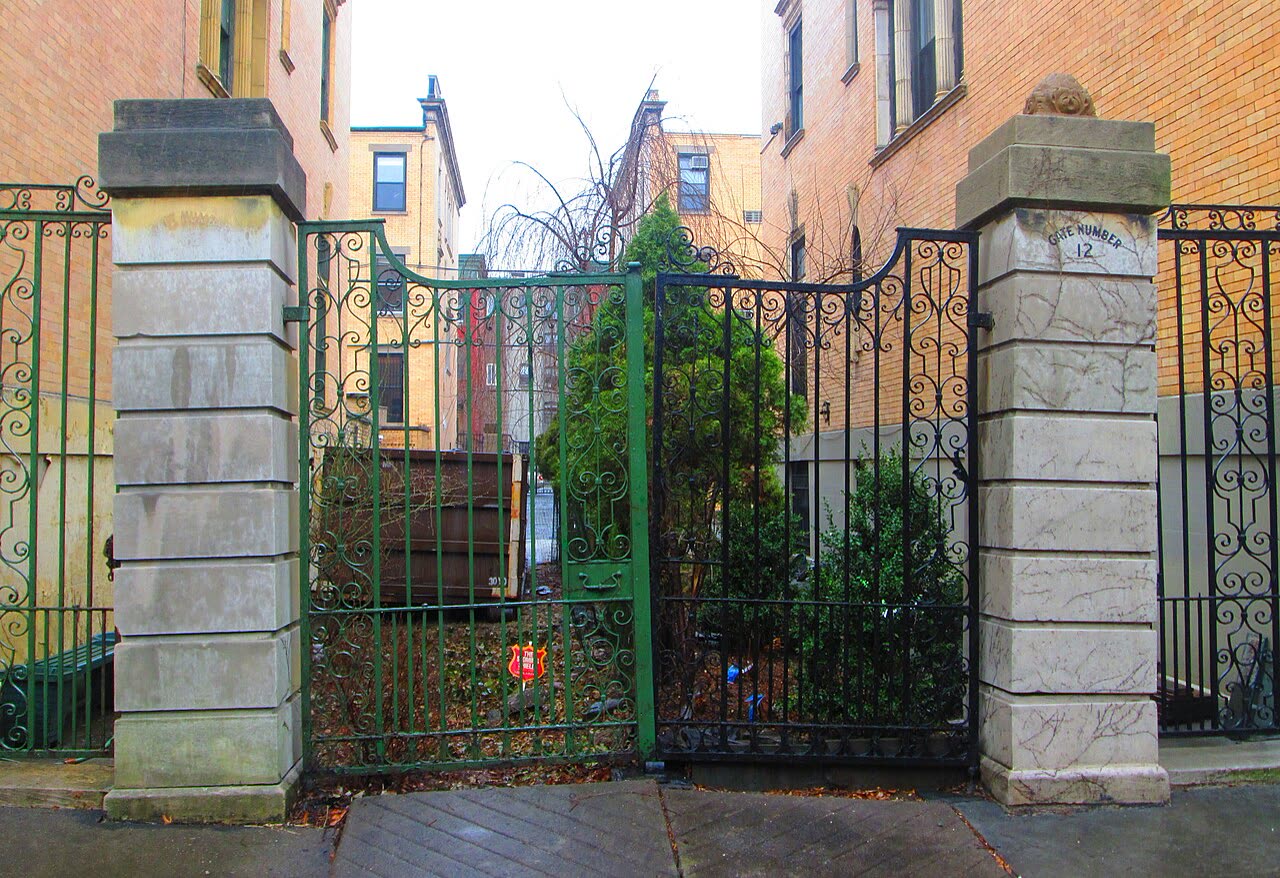
Before you is Strivers’ Row, two blocks of equally elegant houses on 138th and 139th Streets. Officially it is the St. Nicholas Historic District. In 1891 the developer David H. King Jr. commissioned four rows of houses here from three of the best architectural firms of the day. The red brick and brownstone on the south side of 138th Street is the work of James Brown Lord. The yellow brick with white limestone is by Bruce Price and Clarence Luce. The dark brick in the Italian Renaissance style on the north side of 139th Street is by Stanford White. King built for well-off white buyers. The houses stand back to back, with shared yards and alleys behind them. That is a rarity in Manhattan. The alleys were used for deliveries and for horses, without disturbing the front doors. Some gates still carry signs that read “Walk Your Horses.” King could not sell the houses. In 1895 the insurance company that had financed them foreclosed, and they stood empty for a long time. Only around 1919 were they finally sold to Black families. Doctors, lawyers and musicians moved in, people who had achieved a great deal. They were nicknamed “strivers,” and in the 1920s and 1930s the name stuck to the street. The composer W. C. Handy lived here, at 232 West 139th Street. So did the musician Eubie Blake.
Visiting
West 138th and 139th Streets between Adam Clayton Powell Jr. Boulevard and Frederick Douglass Boulevard. Subway: the 2 or 3 train, or the B or C train, to 135th Street. These are private homes: look from the sidewalk, as the yards and alleys are private.
Photos
Sources
- NYC Landmarks Preservation Commission — St. Nicholas Historic District
- Wikipedia (EN) — Strivers’ Row
This text was written by AI from open sources. Found a mistake? Write to us. Support