Greenwich Village and the East Village
Crooked streets where bohemia and the gay rights movement were born: the Stonewall Inn, the Cherry Lane Theatre, the White Horse Tavern, Cooper Union and an 1832 merchant’s house preserved inside and out.
10 places
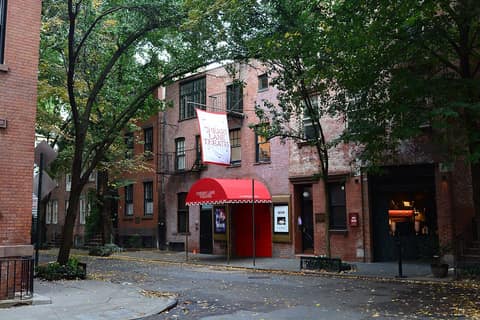
Cherry Lane Theatre
A small Off-Broadway stage that put on Beckett, Albee, Pinter and Shepard
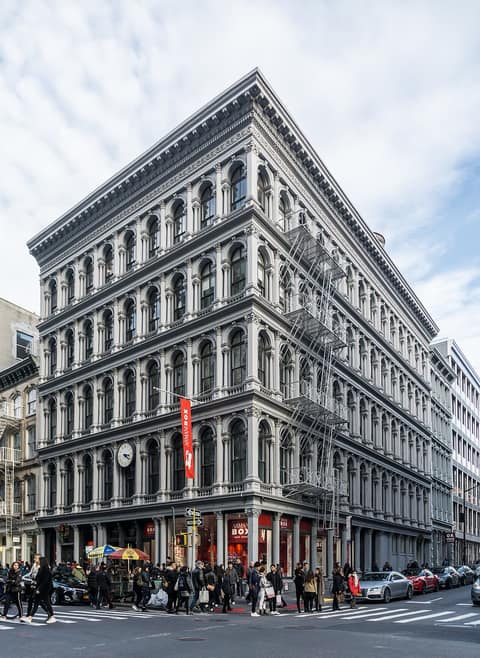
E. V. Haughwout Building
Elisha Otis’s first passenger elevator started running here in 1857, a step toward the skyscrapers to come
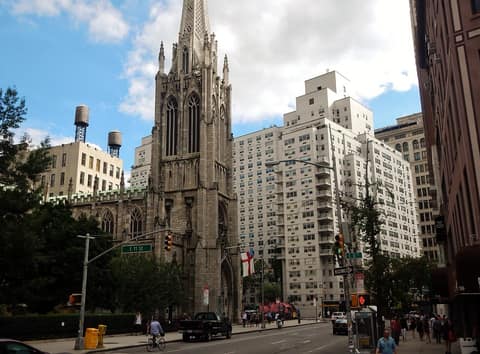
Grace Church
Early Gothic Revival in New York: a young architect’s marble church where the city’s most fashionable couples wed
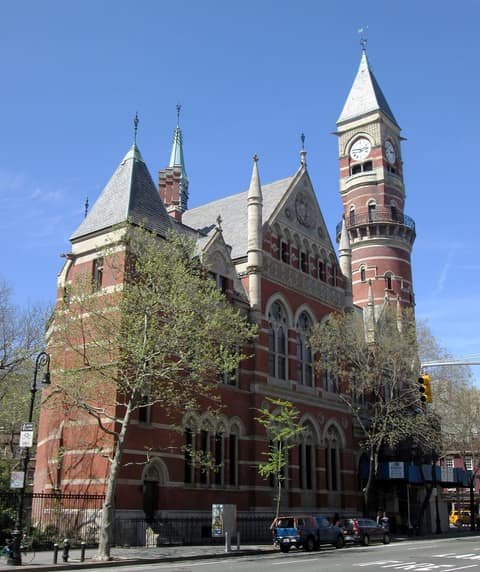
Jefferson Market Library
A Victorian courthouse that looks like a castle, saved from demolition by its neighbors and turned into a library
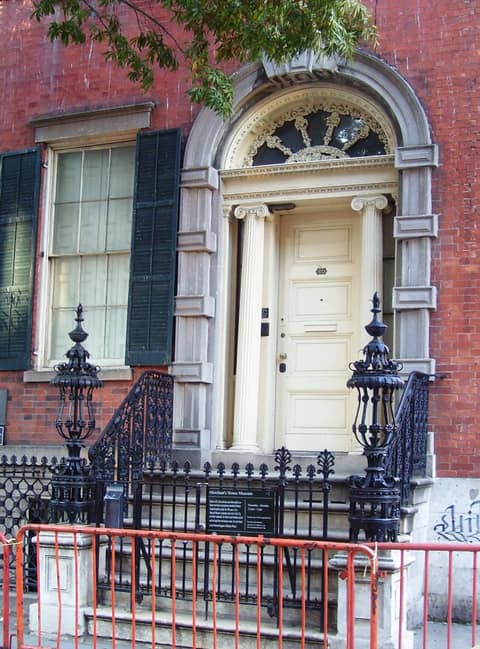
Merchant’s House Museum
A merchant’s family lived here for almost a hundred years, and the house survives with their furniture and dresses
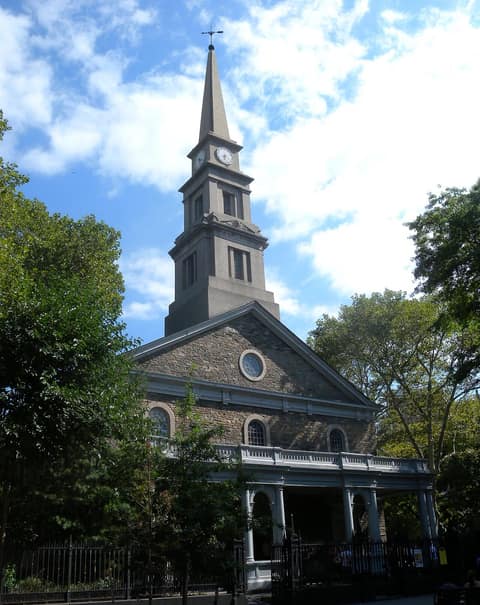
St. Mark’s Church in-the-Bowery
People have worshipped on the site of Peter Stuyvesant’s chapel since the 1600s, and the governor himself lies in the vault
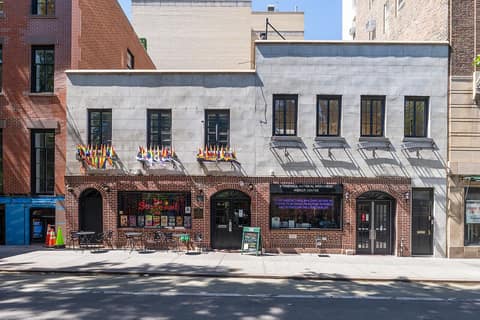
Stonewall Inn
In 1969 the protests that gave momentum to the movement for gay, lesbian and transgender rights began here
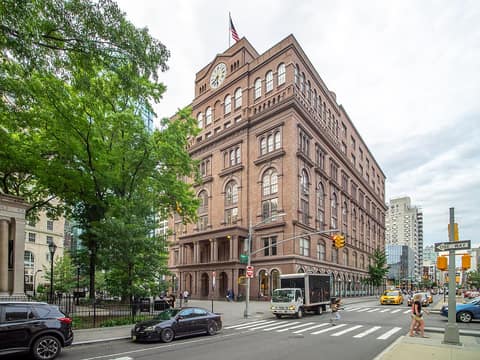
The Cooper Union
A free school for working people, where Lincoln gave the speech that carried him to the presidency
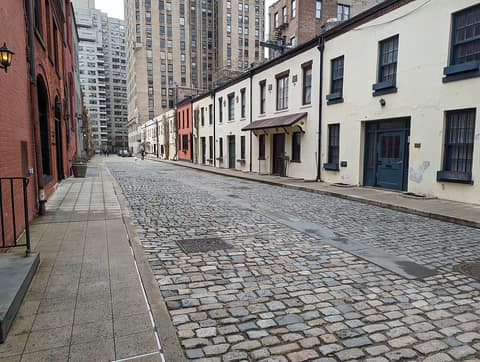
Washington Mews
The old stables of the grand houses on Washington Square, turned into a quiet village lane
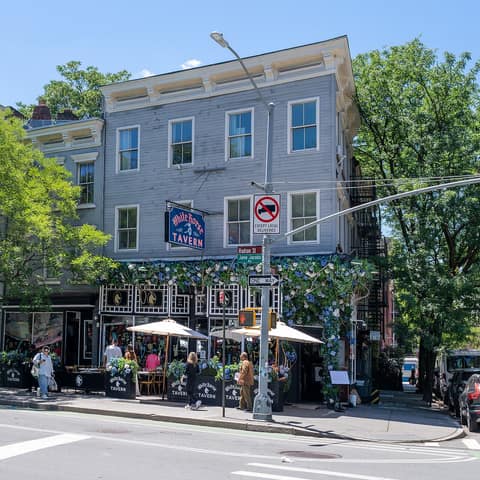
White Horse Tavern
A longshoremen’s bar that became a favorite haunt of poets and writers in the 1950s