Columbus Park, the Former Five Points
On the site of New York’s worst slum, a reporter with a camera won a park for the poor
The story
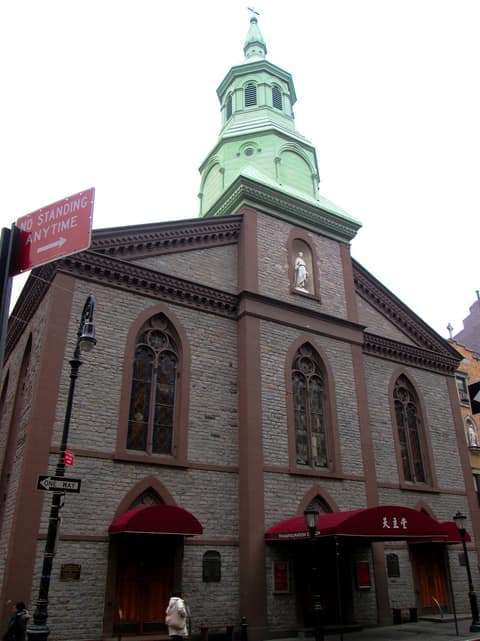
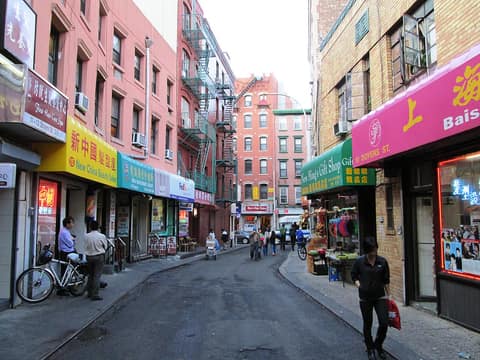
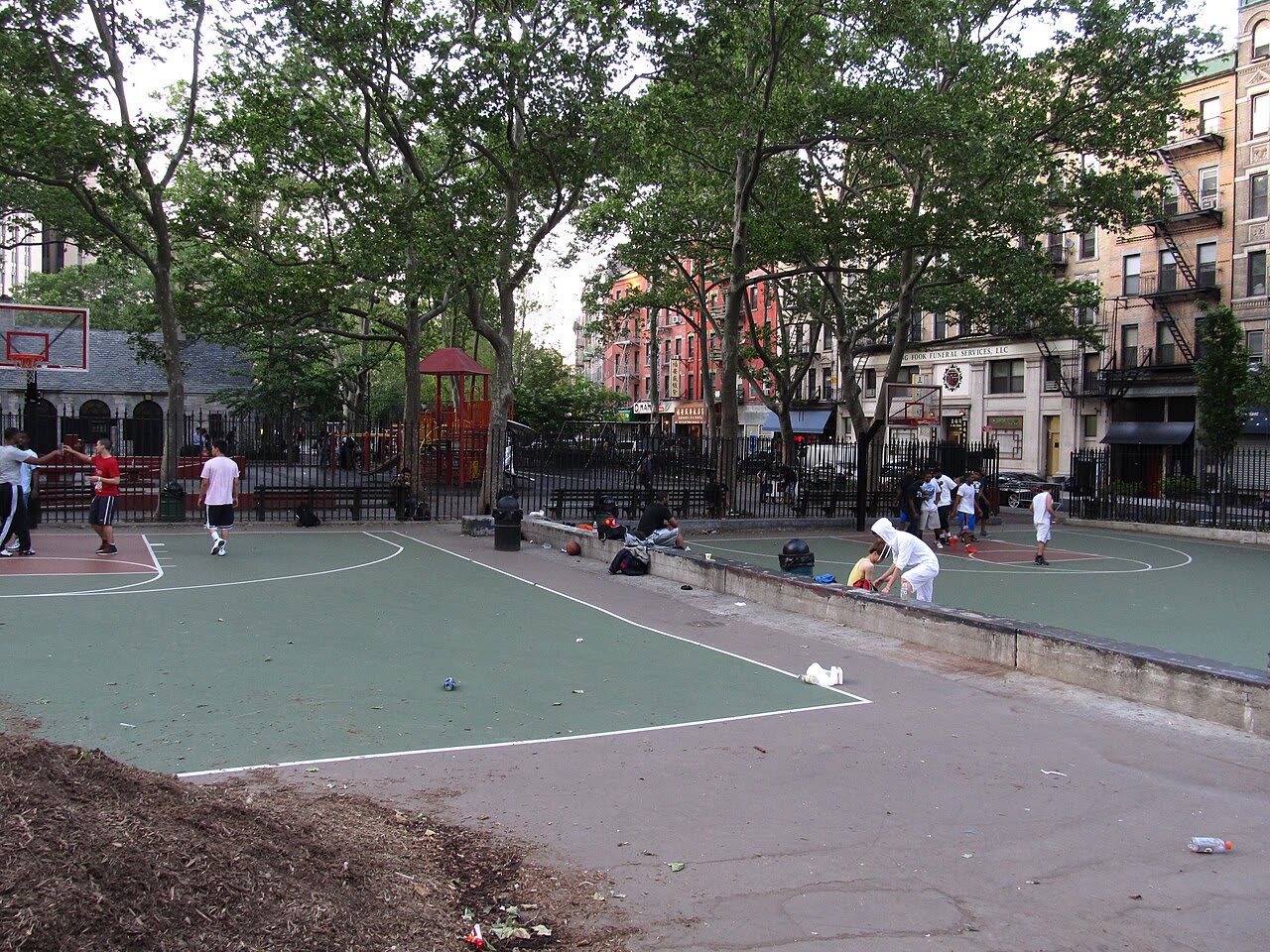
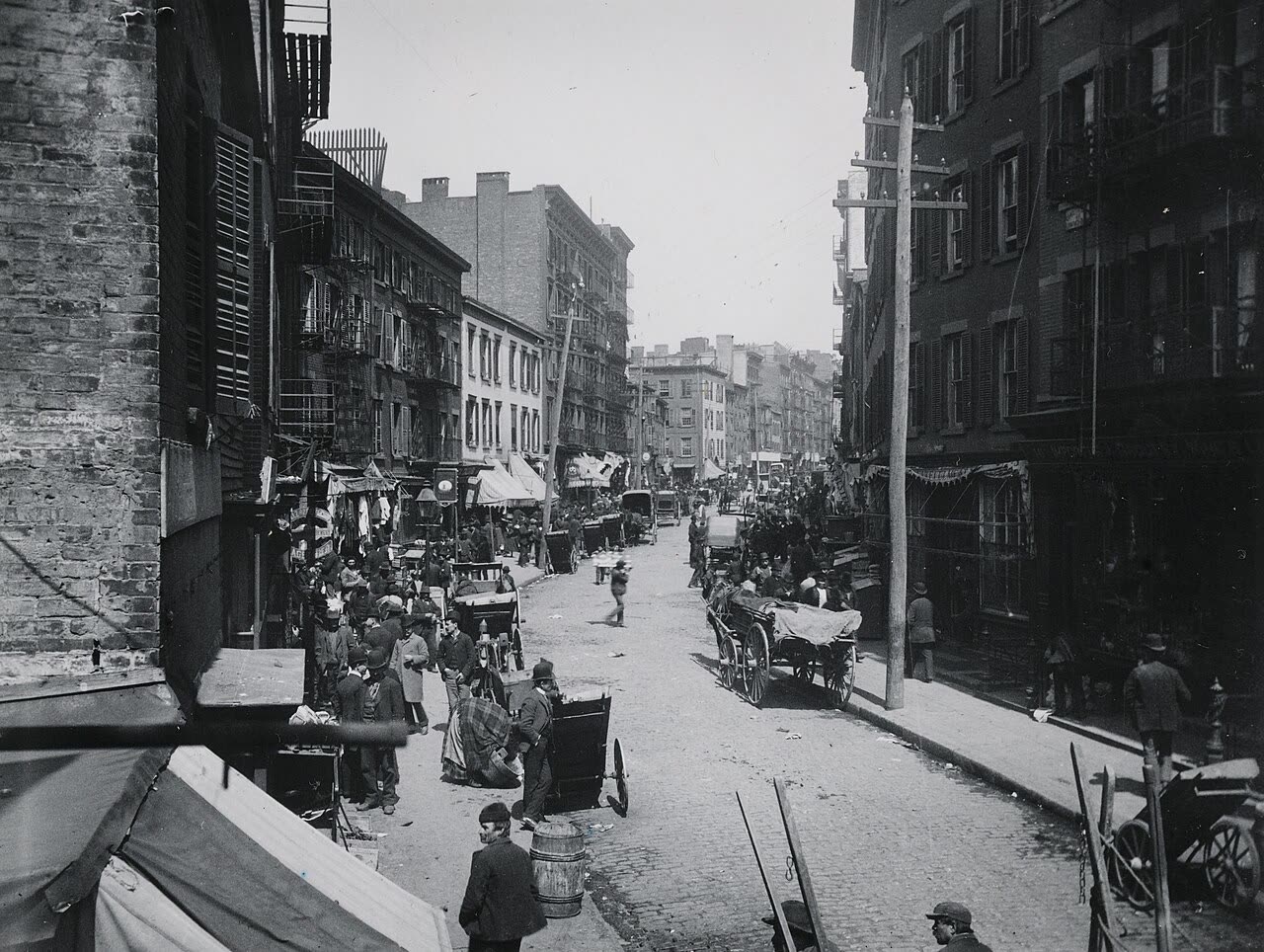
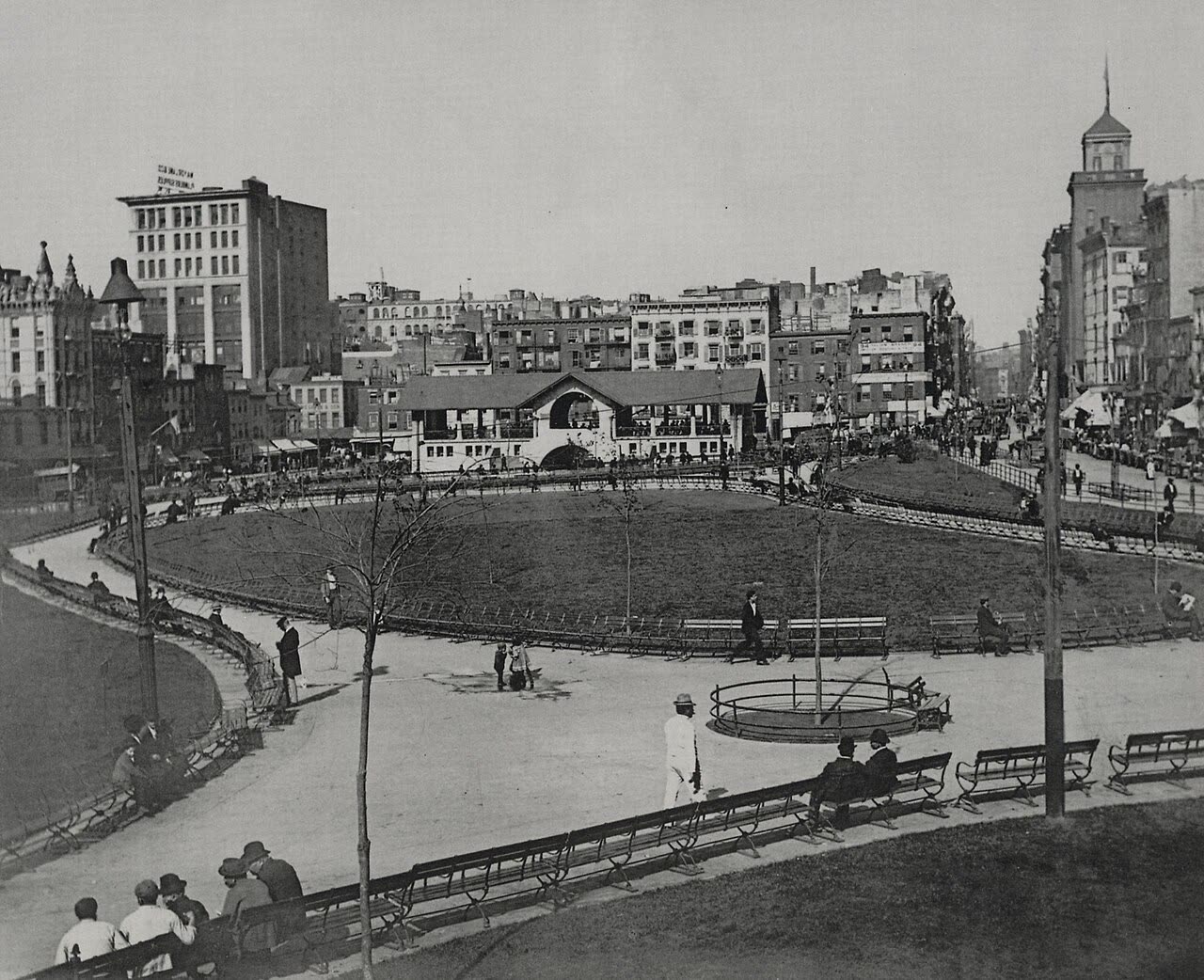
Before you is Columbus Park. Today people play mahjong and practice tai chi here. But in the nineteenth century this was the heart of Five Points, the most notorious slum in New York. The name comes from a crossroads: around 1809 three streets met here, and their junction had five corners. The neighborhood grew on the site of Collect Pond, which was filled in by 1811. The ground sank, houses tilted, and the poorest newcomers moved into the damp blocks: freed Black New Yorkers, the Irish, and later Italians. In 1842 Charles Dickens came to see it. The worst part was the curve of Mulberry Street known as Mulberry Bend, with its back yards and dark alleys. The reporter Jacob Riis photographed those alleys. In his 1890 book “How the Other Half Lives” he called the Bend the foul core of New York’s slums. In 1887 the state passed a law on small parks for crowded neighborhoods. Calvert Vaux, one of the designers of Central Park, drew up the plan. But graft at City Hall and the panic of 1893 held the project up. Only in 1895 were the buildings torn down, leaving two thousand six hundred and forty-three people without homes. The park opened in 1897, two years after Vaux’s death. In 1911 it was renamed for Columbus to honor its Italian neighbors. Today it is Chinatown’s park: tai chi in the morning, board games and Chinese music during the day.
Visiting
Columbus Park, between Mulberry, Baxter, Bayard and Worth Streets, Chinatown. A city park, free to enter. On a sunny day the tables at the north end are full of players: watching is fine, but don’t interrupt a game.
Photos
Sources
- National Register of Historic Places — Chinatown and Little Italy Historic District (registration form, 2010)
- Wikipedia (EN) — Five Points, Manhattan
- Wikipedia (EN) — Mulberry Bend
- Wikipedia (EN) — Columbus Park (Manhattan)
This text was written by AI from open sources. Found a mistake? Write to us. Support